
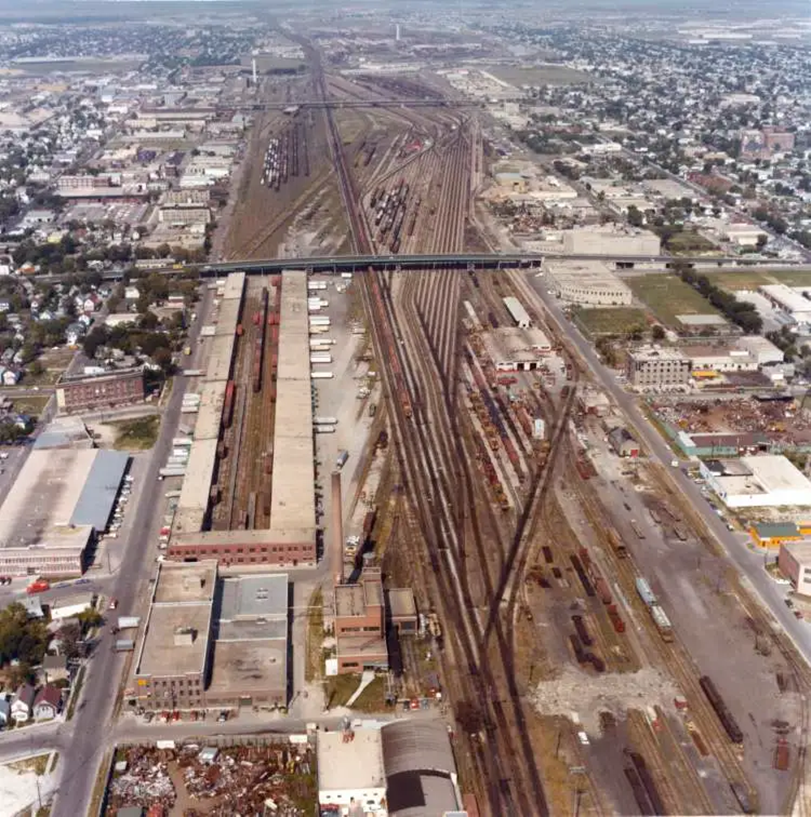
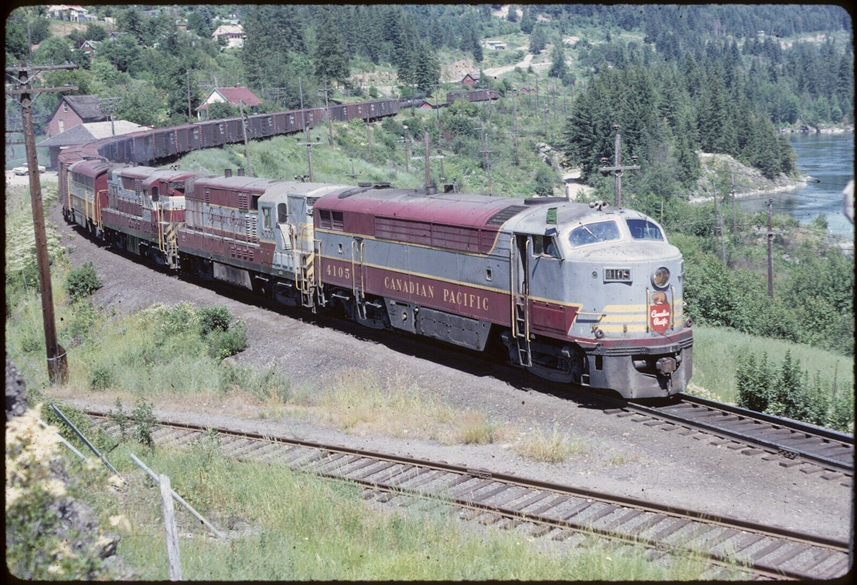
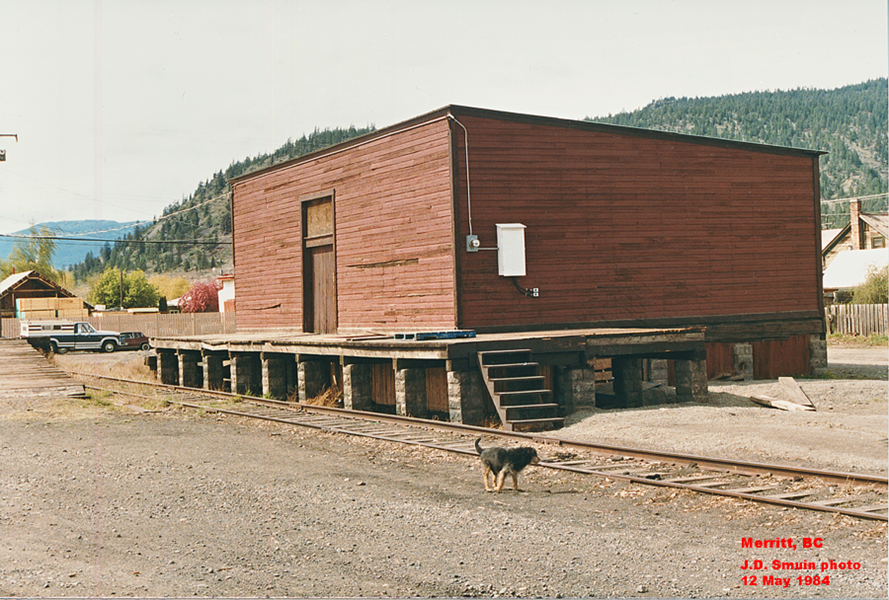
This clinic will provide a background on a now largely forgotten line of business – Less Than Carload (LCL) traffic. This was a very large business for railroads in the fifties but was largely gone by the 1980s. We will examine economic drivers for railroads and customers, traffic patterns, railroad operations and facilities as well as a few customer case studies. A very brief synopsis of the evolution of railroad LCL traffic to today’s trucking and Less Than Container Load traffic will also be provided. Of particular note for transition era modellers, LCL freight sheds at crew terminals can provide very intense traffic and operating interest in a small space. The clinic will concentrate on CPR’s operations in western Canada, however, the information is generally applicable to most railroads in North America.
Paul Clegg, Calgary, Alberta, is the retired Director of Network Transactions for Canadian Pacific Railway. During his 37-year career with CP he was engaged in Grain Marketing in both Montreal and Winnipeg and Network Strategy and Research in Calgary. During his time with Network Strategy, he was responsible for line sales and acquisitions as well as planning for new rail lines in Alberta’s Industrial Heartland near Edmonton.
He has a number of articles published on CPR history including the revolutionary 36’ steel inside sheathed “Dominion” boxcar, meat and livestock movement and aspects of CPR’s building and bridge designs. He is also a committee member for the Canadian Railway Hall of Fame.
Paul is a graduate of the University of British Columbia with a Bachelor of Commerce in Transportation and Logistics. He was also a Logistics officer in the Canadian Forces Reserve. He is a member of the Lexington Group in Transportation History and has participated in the Canadian Transportation Research Forum.